
| PORIFERA : Poecilosclerida : Hymedesmiidae | SPONGES |
Plocamionida ambigua (Bowerbank, 1866)
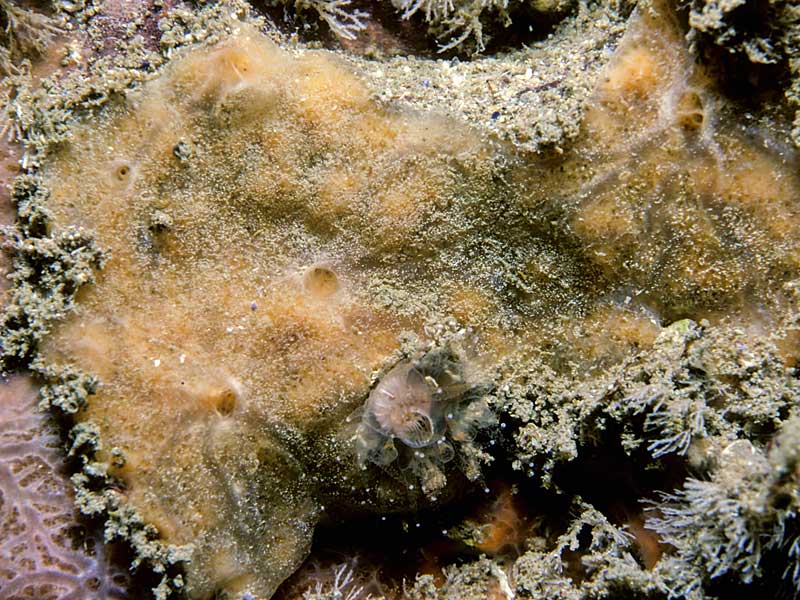 |
| Plocamionida ambigua |
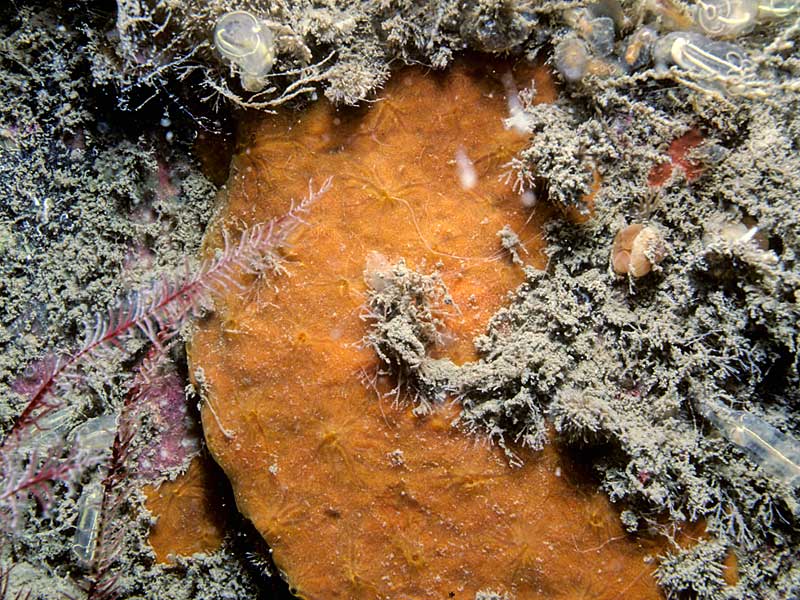
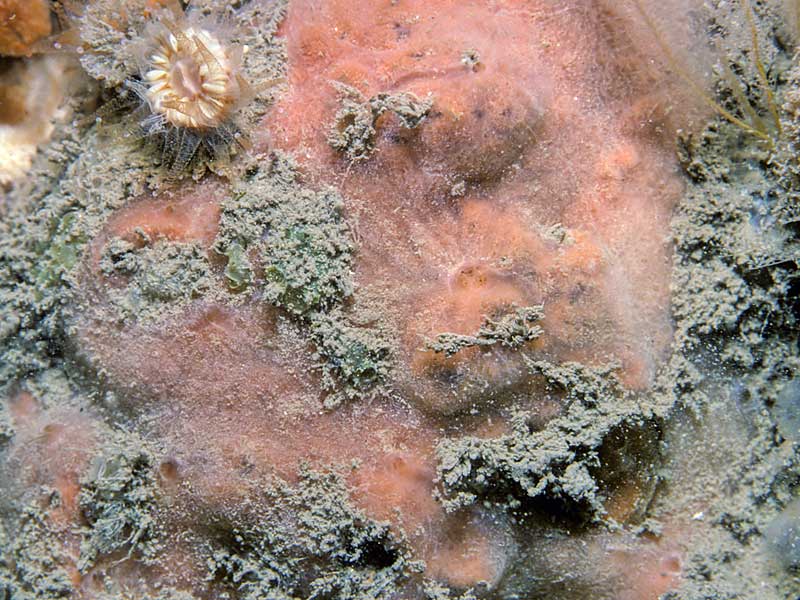
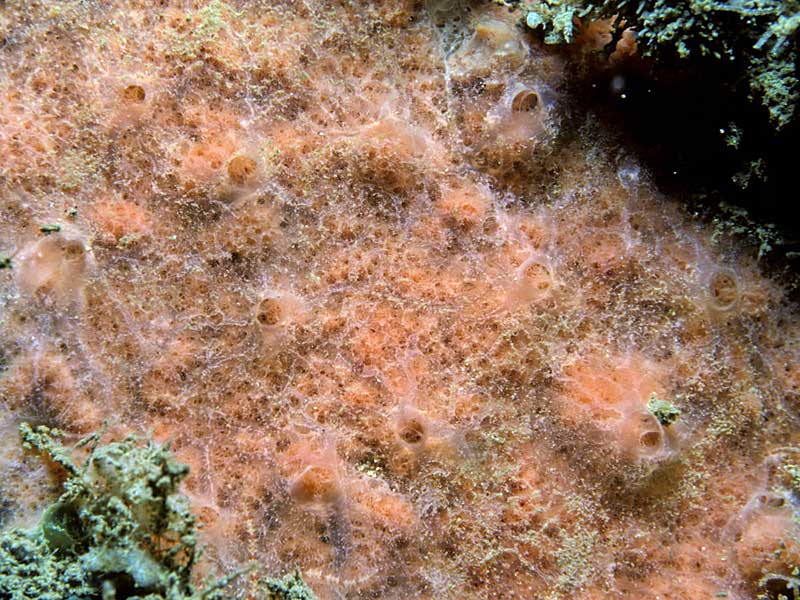
Form: Thin sheets, up to ca. 20cms across.
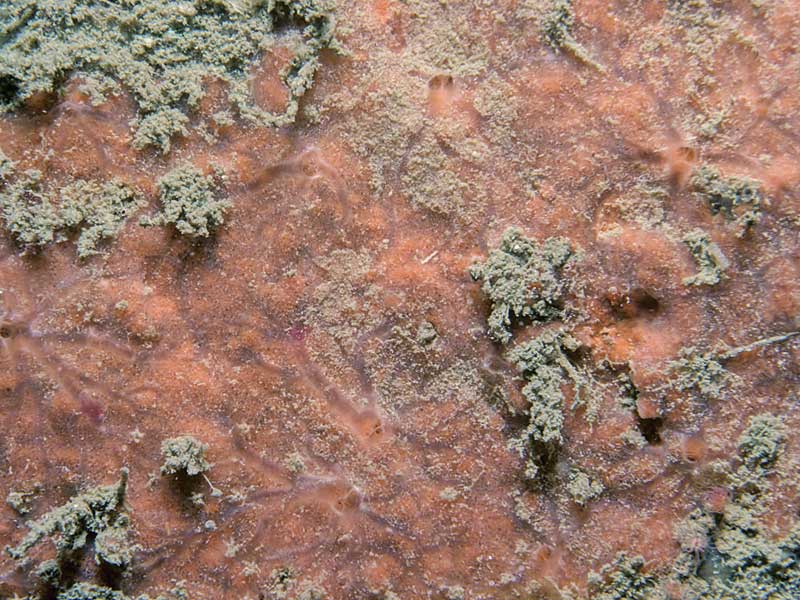
Colour: Pale red (Mediterranean specimens), orange, yellow or ochre. Grey-brown in alcohol, light brown dried.
Smell: None
Consistency: Soft, but difficult to determine as very thin.
Surface: Even, hispid. (?Tuberculate, Mediterranean specimens).
Apertures:
- Oscules numerous and small.
Contraction:
- None
 |
 |
 |
 |
[ More images ] |
Synonyms: Microciona ambigua Bowerbank, 1866: 136.
Internal characters
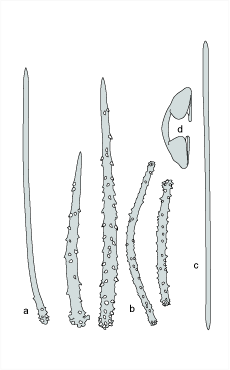 |
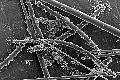
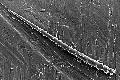
Skeleton: A basal layer of acanthostrongyles lying tangentially to the substratum with short, entirely spined acanthostyles oriented more or less at right angles to the substratum with their heads towards the base. Much larger acanthostyles with spines almost confined to the head regions project from this basal layer. There is a surface layer of tornotes arranged more or less tangentially. Chelae arcuatae are scattered sparsely in a layer near the surface.
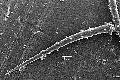
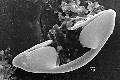
Spicules: The principal spicules of the main skeleton are large acanthostyles, measuring 500-750 μm, "to 2000 μm". They are minutely and basally spined. The auxilliary skeletal spicules are smaller, entirely spined, acanthostyles, ca. 155-400 μm. In juvenile specimens these auxilliary acanthostyles echinate the substrate, and they echinate the indistinct plumose columns of large acanthostyles in mature forms. (Note that for Mediterranean specimens, the lengths of these two categories of acanthostyles are given as up to 375 μm, and 110-130 μm respectively - i.e. much shorter than quoted above). Acanthostrongyles form a basal layer on the substratum. They are entirely spined, curved, possess (often unequally) swollen ends, and can be distorted and variable; 70-180 μm in length. The ectosomal spicules are straight, very slender tornotes, ca. 200-420 μm in length. They may have short and simple mucrons at their ends. The microscleres are chelae arcuatae with slightly curved shafts, ca. 19-37 μm.
 |  |  |  |
Habitat: On bivalve shells, stones, bedrock and saddle oysters; on Posidonia in the Mediterranean, 45-360m.
Distribution: Channel (Straits of Dover, Roscoff), Shetland, Norway, Sweden, and more generally in the N.E. Atlantic. Mediterranean. Known recently from Firth of Lorne (W. Scotland), N. and S.W. Ireland. Not uncommon.
Identity: The diagnosis for the genus Plocamionida is a Microciona like skeleton, with diactinal ectosomal spicules (tornotes), and chelae with curved shafts. This is based on a misconception as this genus truly belongs in the Phorbasinae! A basal layer of fairly distinctive asymmetrical acanthostrongyles immediately suggests this species, but beware Plocamiancora arndti, which is not uncommon in the Sound of Mull and around Rathlin Island. It has anchorate chelae and more robust, symmetrical acanthostrongyles.
Distribution Map from NBN: Plocamionida ambigua at National Biodiversity Network mapping facility, data for UK.
iNaturalist: Plocamionida ambigua at iNaturalist World Species Observations database.
WoRMS: Plocamionida ambigua at World Register of Marine Species. Accepted name: Plocamionida ambigua (Bowerbank, 1866). AphiaID: 133694.
Classification: Biota; Animalia; Porifera; Demospongiae; Heteroscleromorpha; Poecilosclerida; Hymedesmiidae; Plocamionida
Voucher: BELUM : Mc1528. Ardnoe Point, Sound of Jura, Scotland.
Editors: D. Moss, B.E. Picton.
| Previous species | Next species |
| Picton, B.E. & Morrow, C.C. (2023). Plocamionida ambigua. (Bowerbank, 1866). [In] Sponges of Britain and Ireland. https://www2.habitas.org.uk/marbiop-ni/sponges.php?item=C8470. Accessed on 2026-10-15 |