
| PORIFERA : Tetractinellida : Geodiidae | SPONGES |
Pachymatisma johnstonia (Bowerbank, 1842)
 |
| Pachymatisma johnstonia |
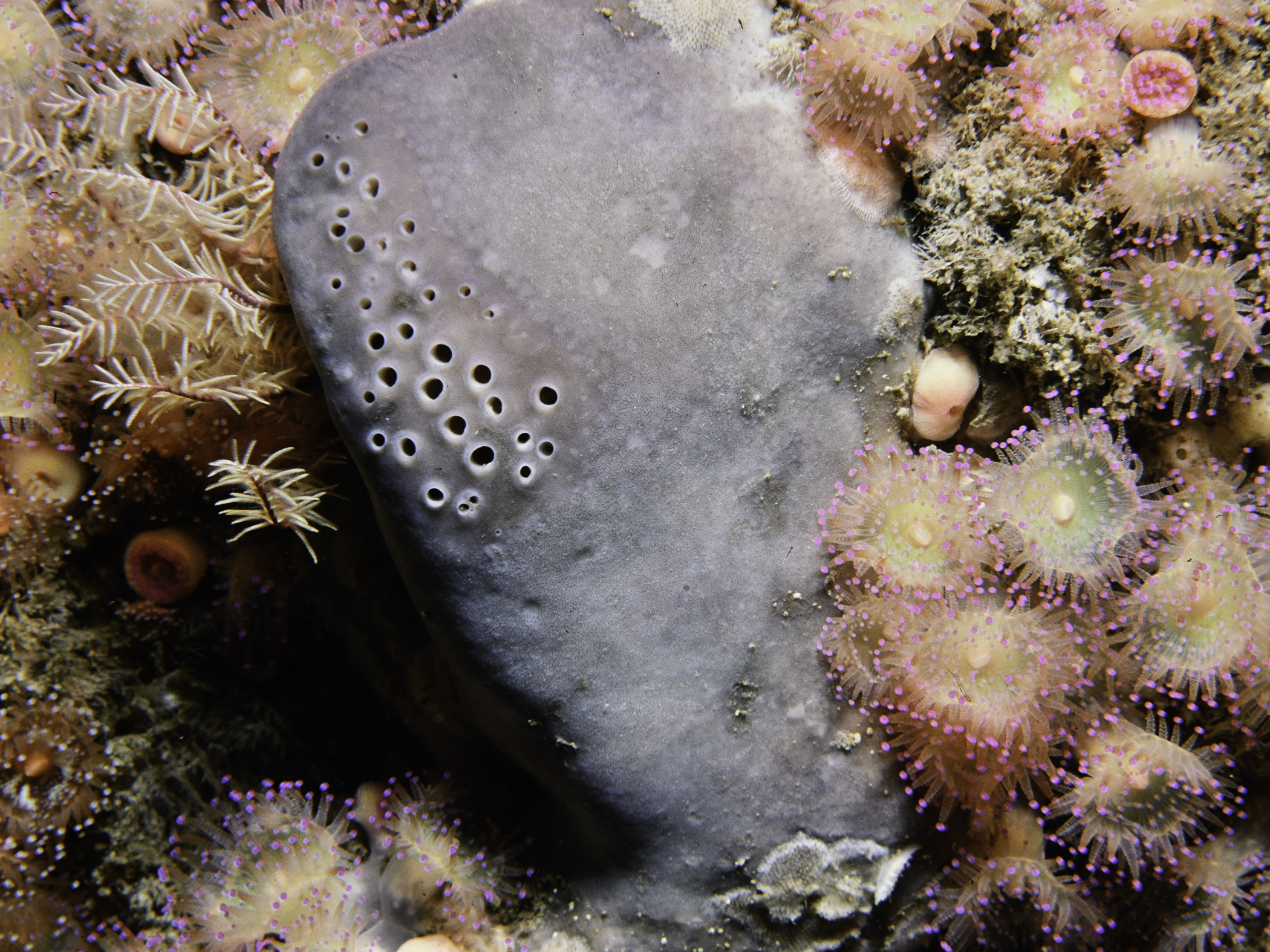
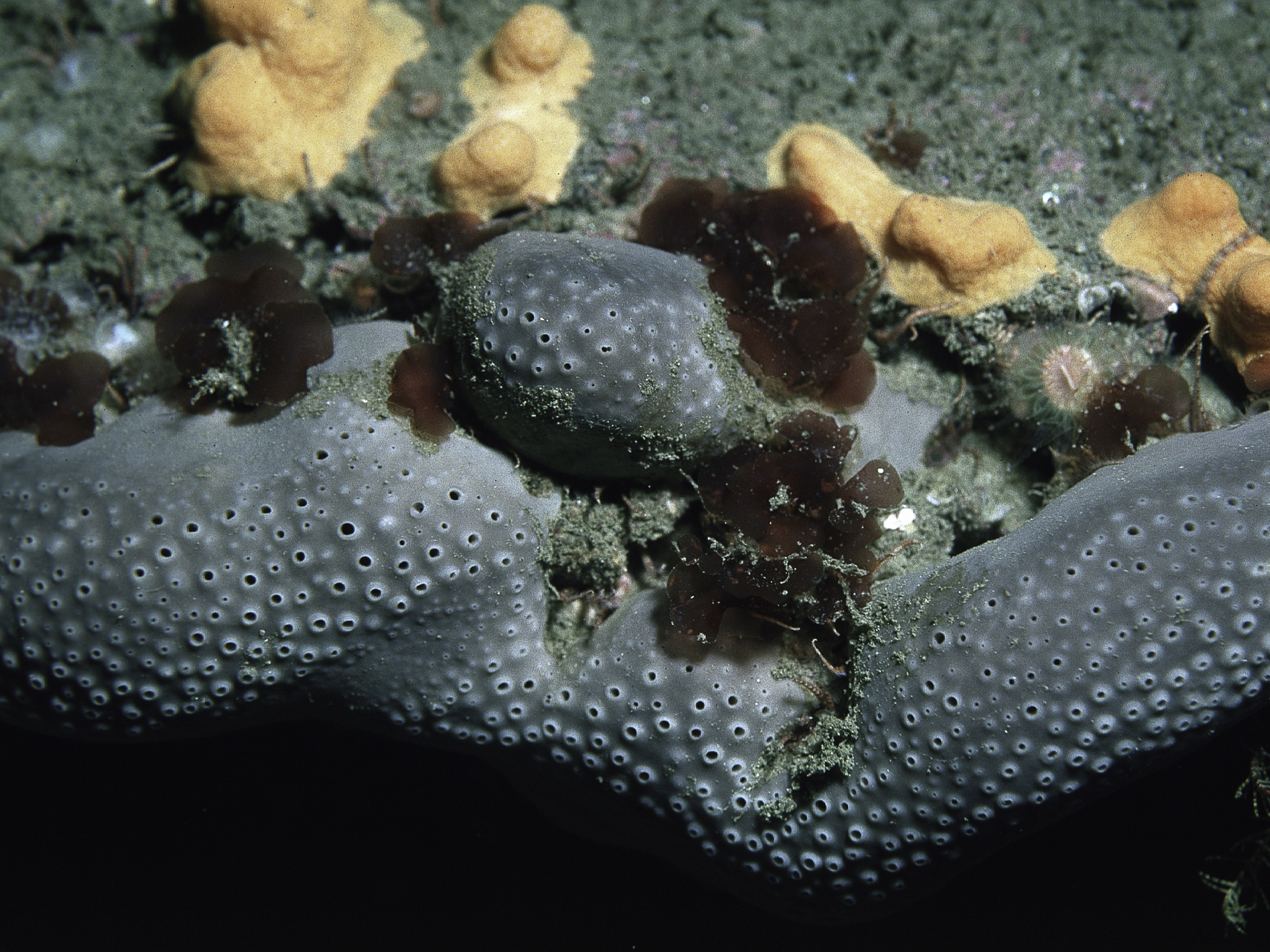
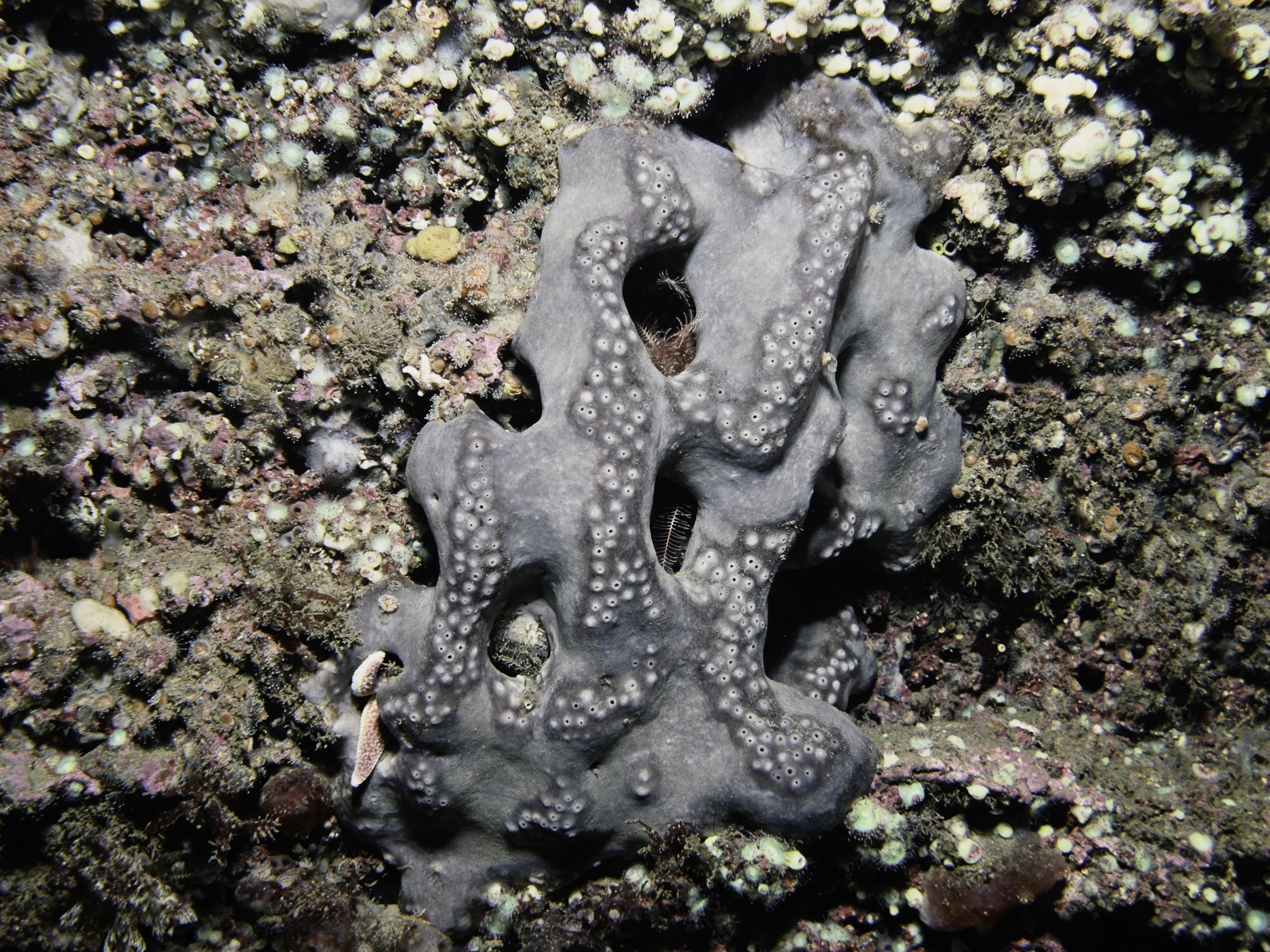
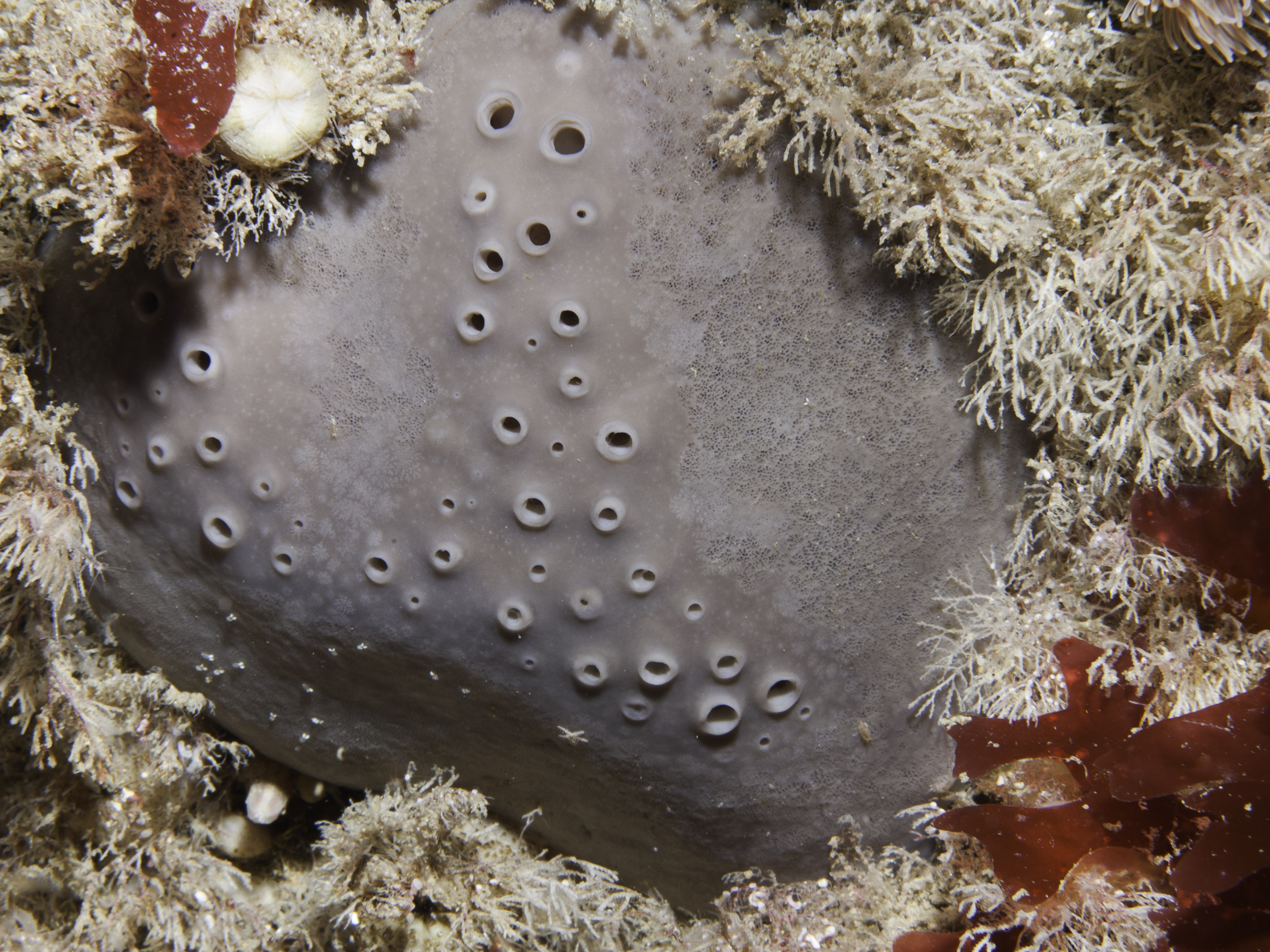
Form: Massive-lobose, hemispherical to irregularly rounded, up to 30cm or more across.
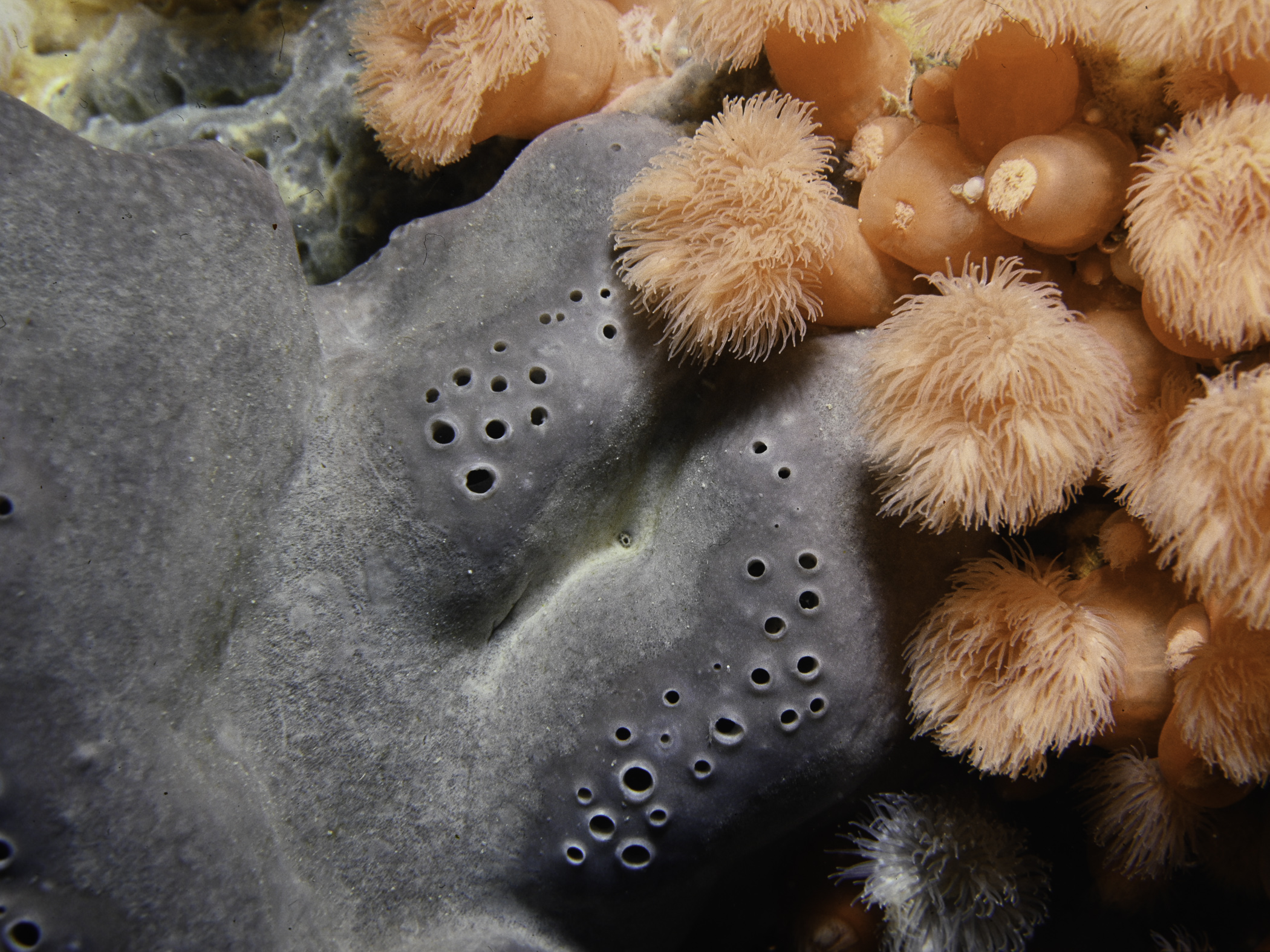
Colour: Purple-grey to slate grey to off-white; tends to be darker along rows of oscules. It may be white in dark positions such as caves. The interior is greyish yellow.
Smell: None.
Consistency: Firm but slightly compressible.
Surface: Smooth, with no projections. Just beneath the surface is a hard layer, the 'sterrastral layer' packed with sterraster microscleres.
Apertures:
- Oscules rounded, evenly spaced. usually along the tops of the ridges. Rims not raised, flush with the surface.
Contraction:
- Not noticeable.
 |
 |
 |
 |
[ More images ] |
Internal characters
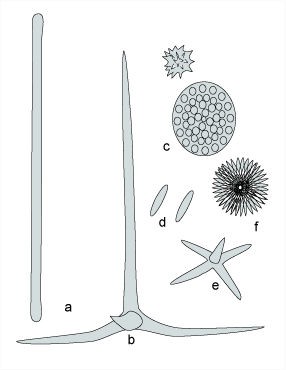 |
Skeleton: Choristid with a well developed cortex consisting of an outer layer of densely packed microrhabds, below which is a dense layer of sterrasters. Subradially arranged tracts of strongyloxea and triaenes are most apparent near the surface.
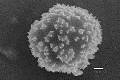
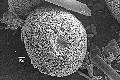
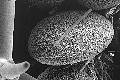
Spicules: Megascleres are strongyloxea 550-(700)-980 μm (sometimes one, or both, of the ends may be pointed to resemble oxea, and sometimes they may be blunt resembling strongyles, with slightly swollen (tylote) ends). Triaenes are short-shafted orthotriaenes with ca. 500 μm shafts and 250 μm clades, but ana- and protriaenes are lacking. Microscleres: the ectosomal microrhabds are microspined microstrongyles; choanosomal euasters are oxyasters with microspined rays ca. 40 μm, and ectosomal euasters are sterrasters ca. 140 μm, characteristic of Geodiids.
 |  |  |  |
 |
Habitat: On bedrock or stable boulders, often on cliff walls projecting into water currents. Can also tolerate a degree of sediment on rock surfaces. "Littoral (ELWS) to 300m." A common species in sites with strong water movement, but also found under overhangs in extreme shelter.
Distribution: "Atlantic coast of Europe; Shetland; Orkney; south to Spain?" Recently confirmed from Orkney and Shetland and ubiquitous on the western and southern coasts of the British Isles. Apparently absent from North Sea coasts of British Isles.
Identity: The slate grey colour, rounded lobes and evenly-spaced oscules (neat looking), flush with the surface give the sponge a characteristic appearance. If the specimen has a hard sub-surface layer identification by eye is reliable.
Distribution Map from NBN: Pachymatisma johnstonia at National Biodiversity Network mapping facility, data for UK.
iNaturalist: Pachymatisma johnstonia at iNaturalist World Species Observations database.
WoRMS: Pachymatisma johnstonia at World Register of Marine Species. Accepted name: Pachymatisma johnstonia (Bowerbank in Johnston, 1842). AphiaID: 134057.
Classification: Biota; Animalia; Porifera; Demospongiae; Heteroscleromorpha; Tetractinellida; Astrophorina; Geodiidae; Erylinae; Pachymatisma
Voucher: BELUM : Mc95. Mulroy Bay, Co Donegal.
Editors: D. Guiterman, D. Moss, B.E. Picton.
| Previous species | Next species |
| Picton, B.E. & Morrow, C.C. (2023). Pachymatisma johnstonia. (Bowerbank, 1842). [In] Sponges of Britain and Ireland. https://www2.habitas.org.uk/marbiop-ni/sponges.php?item=C1670. Accessed on 2026-06-11 |