
| PORIFERA : Poecilosclerida : Microcionidae | SPONGES |
Antho coriacea (Bowerbank, 1874)
 |
| Antho coriacea |
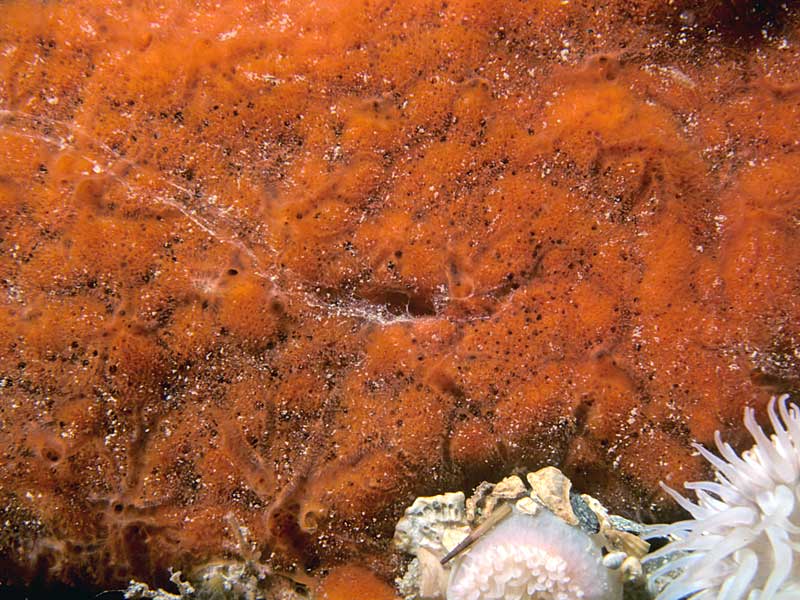
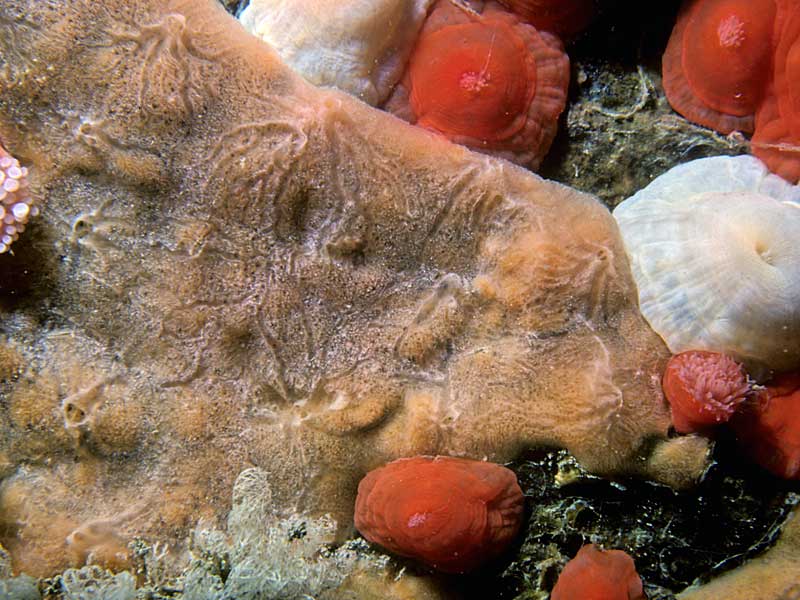
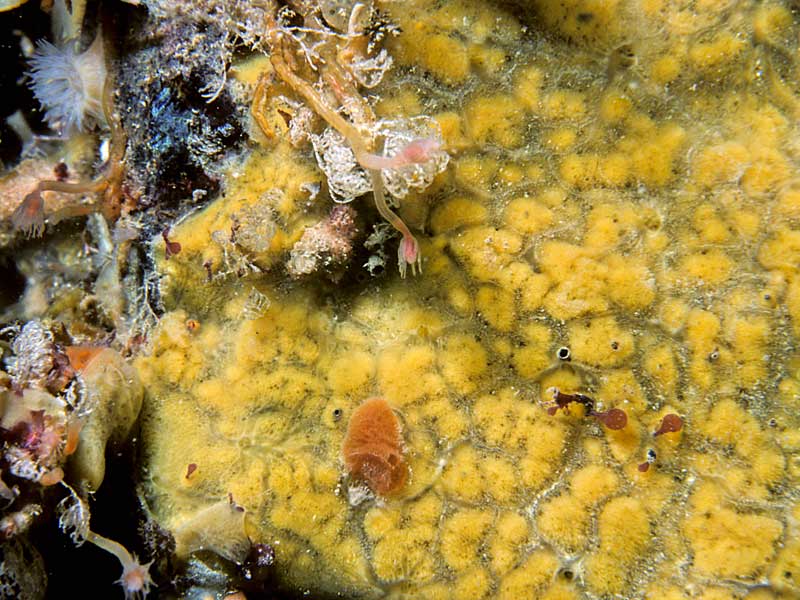
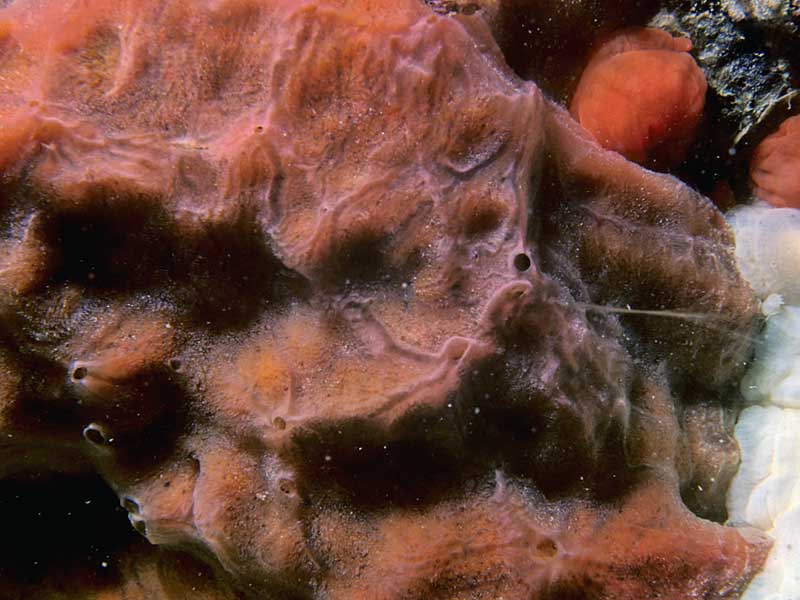
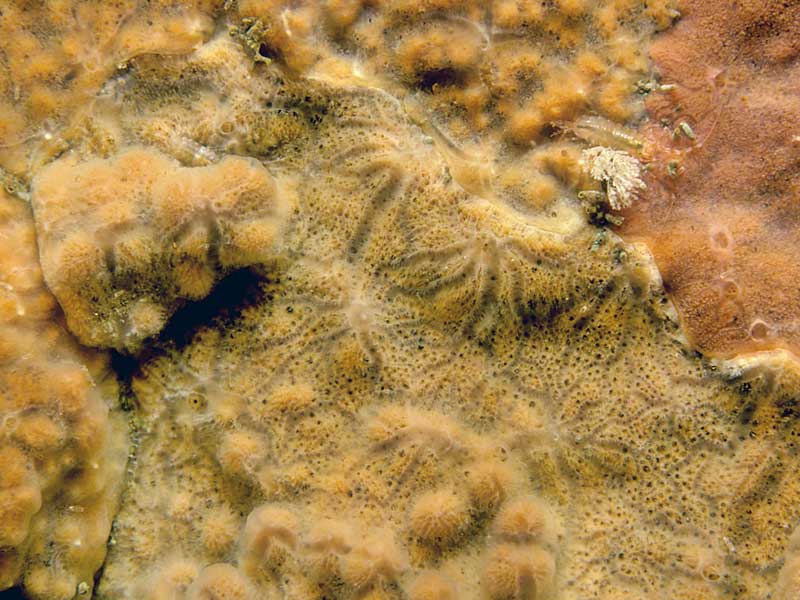
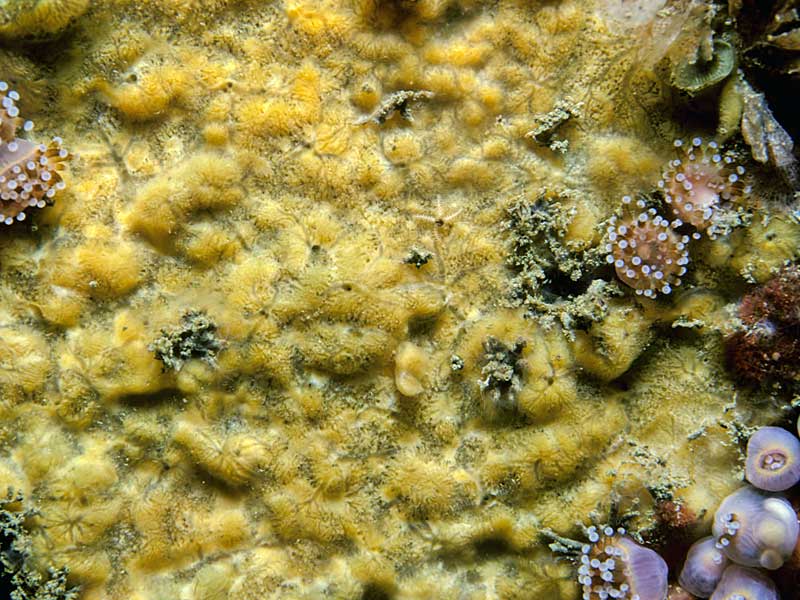
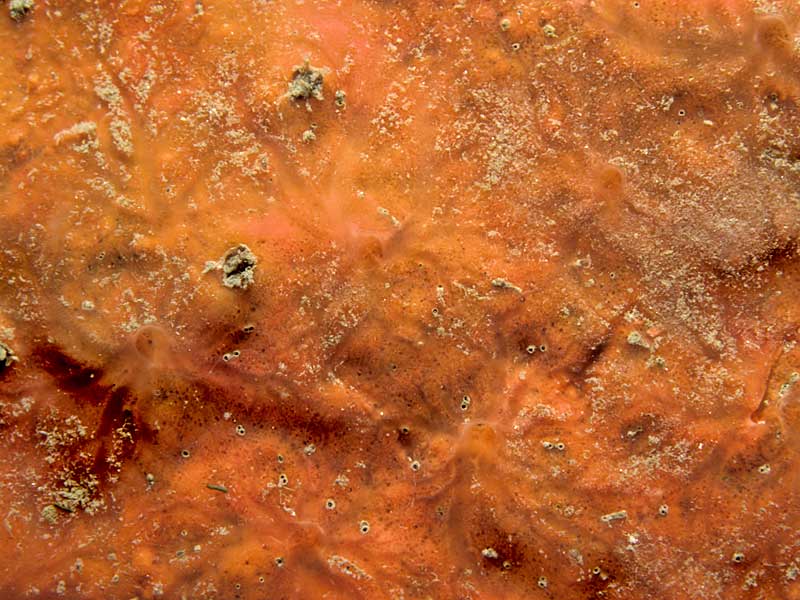
Form: Moderately thin sheets, with a rounded rugose surfce, typically ca. 5mm thick.
Colour: Bright orange-red or ochre yellow.
Smell: None?
Consistency: Fairly firm, holds together well when collected, but somewhat crumbly and easily torn.
Surface: Fairly smooth in appearance, with moderate friction; tuberculate, uneven. N.B. Lévi (1960) describes it as "finely hispid".
Apertures:
- Oscules are inconspicuous.
Contraction:
- Slight - difficult to determine.
 |
 |
 |
 |
 |
 |
| [ More images ] |
Internal characters
 |
Skeleton: The main skeletal feature is fairly regular, isotropic and dense reticulation of acanthostrongyles, with acanthostyles also present, the latter often in 'upright' positions. There are also a few larger styles, associated with ascending fibres and penetrating the surface (sometimes quasi-echinating the fibres). Slim subtylostyles form brushes at the surface. Very variable quantities of spongin reinforce the spicule fibres.
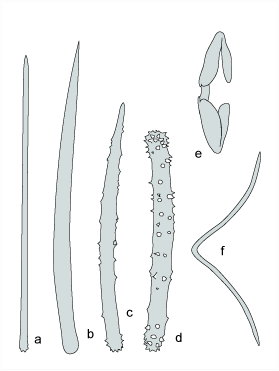
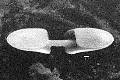
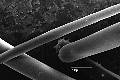
Spicules: The megascleres include acanthostrongyles 80-100 μm; acanthostyles of 110-190 μm, the larger being very lightly spined at the head only; styles of ca. 300-400 μm. The subtylostyles measure ca. 200-250 x 2-4 μm. The microscleres are palmate isochelae, ca. 11-15 μm and toxa which predominantly fall into two size groups: 30-60 μm (relatively fine) and 130-180 μm (more sturdy). The larger toxa may have spined points.
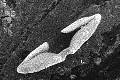 | 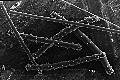 | 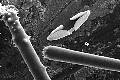 | 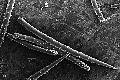 |
 |  |
Habitat: Vertical or steeply inclined rock faces from the shallow sublittoral downwards. Often found encrusting other sponges, such as Stelletta grubii and Stryphnus ponderosus. Most frequent in sites with moderate to strong tidal streams.
Distribution: Known recently from Ireland, Anglesey.
Identity: In appearance this species is quite similar to many other of the troublesome 'red crust' Clathriids (especially Antho involvens), but a bright orange red surface with a bumpy appearance is fairly recognisable. The spicule complement, with a predominance of acanthostrongyles, is distinctive (see note for Antho involvens).
Distribution Map from NBN: Antho coriacea at National Biodiversity Network mapping facility, data for UK.
iNaturalist: Antho coriacea at iNaturalist World Species Observations database.
WoRMS: Antho coriacea at World Register of Marine Species. Accepted name: Antho (Acarnia) coriacea (Bowerbank, 1874). AphiaID: 167852.
Classification: Biota; Animalia; Porifera; Demospongiae; Heteroscleromorpha; Poecilosclerida; Microcionidae; Ophlitaspongiinae; Antho
Voucher: BELUM : Mc890. Saltee Islands, Wexford.
Editors: D. Moss, B.E. Picton.
| Previous species | Next species |
| Picton, B.E. & Morrow, C.C. (2023). Antho coriacea. (Bowerbank, 1874). [In] Sponges of Britain and Ireland. https://www2.habitas.org.uk/marbiop-ni/sponges.php?item=C8420. Accessed on 2026-10-15 |